Regulatory Framework and Compliance Challenges

Overview of Regulatory Bodies Involved
The decommissioning of nuclear plants is governed by a complex web of regulatory bodies at both national and international levels. In the United States, the Nuclear Regulatory Commission (NRC) is the primary regulatory authority overseeing the decommissioning process. The NRC sets stringent guidelines to ensure that decommissioning is conducted safely and in compliance with public health standards. Similarly, in Europe, the European Atomic Energy Community (EURATOM) plays an essential role in establishing safety standards across member states.
Other regulatory bodies, such as the Environmental Protection Agency (EPA) in the U.S. and the Health and Safety Executive (HSE) in the UK, are also involved. These agencies ensure that environmental impact assessments and radiation safety measures are adequately addressed. This multi-tiered regulatory framework contributes significantly to the lengthy timelines for decommissioning, as each agency requires detailed documentation, assessments, and compliance checks before allowing any phase of the decommissioning to proceed.
Licensing and Permitting Processes
The licensing and permitting processes for decommissioning nuclear plants are notoriously time-consuming. Before any physical decommissioning work can begin, operators must submit a decommissioning plan to the NRC or other relevant authorities. This plan outlines the proposed methods for dismantling the plant, managing radioactive waste, and ensuring the safety of workers and the surrounding community.
Once submitted, the decommissioning plan undergoes rigorous scrutiny and public comment periods, which can last several months to years. For instance, the decommissioning of the San Onofre Nuclear Generating Station in California faced a multi-year review process before receiving approval to commence work. The need for public hearings, environmental reviews, and potential legal challenges from community stakeholders adds layers of complexity that extend the timeline significantly.
Impact of Regulatory Changes on Timelines
Regulatory frameworks are not static; they evolve in response to new safety data, technological advancements, and public sentiment. Changes in regulations can dramatically impact decommissioning timelines. For example, following the Fukushima disaster in 2011, many countries re-evaluated their nuclear safety protocols, leading to stricter regulations for decommissioning practices. Such changes can necessitate additional compliance steps, further delaying the decommissioning process.
Moreover, regulatory changes can lead to the need for new assessments or the modification of existing plans, causing projects to be put on hold until compliance is achieved. The decommissioning of the Vermont Yankee Nuclear Power Plant, which took over six years to obtain all necessary permits, exemplifies how evolving regulatory landscapes can extend timelines.
Complexity of Dismantling and Waste Management
Types of Radioactive Waste Generated
Decommissioning a nuclear plant generates various types of radioactive waste, each requiring distinct handling and disposal methods. These include:
- High-Level Waste (HLW): This is primarily spent nuclear fuel, which remains hazardous for thousands of years.
- Intermediate-Level Waste (ILW): This waste contains higher levels of radioactivity and requires shielding during handling and disposal.
- Low-Level Waste (LLW): This includes contaminated materials like clothing, tools, and structural components, which are less radioactive but still require careful disposal.
The management of these waste types is a significant challenge, as they each have unique disposal requirements. For example, HLW often necessitates long-term geological storage solutions, which are still being developed in many regions.
Methods for Safe Waste Disposal
Safe waste disposal is crucial in the decommissioning process. High-level waste, for instance, is typically stored in robust containers in cooling pools or dry cask storage systems until a permanent disposal solution is established. The Yucca Mountain project in Nevada was proposed as a geological repository for HLW but has faced numerous political and legal challenges, delaying its implementation.
Intermediate-level waste is often stored on-site in shielded containers until a suitable disposal method is determined. Low-level waste is usually disposed of in licensed landfills specifically designed for radioactive materials. The complexity of coordinating these various disposal methods contributes to the lengthy timeline of decommissioning projects.
Technical Challenges in Dismantling Infrastructure
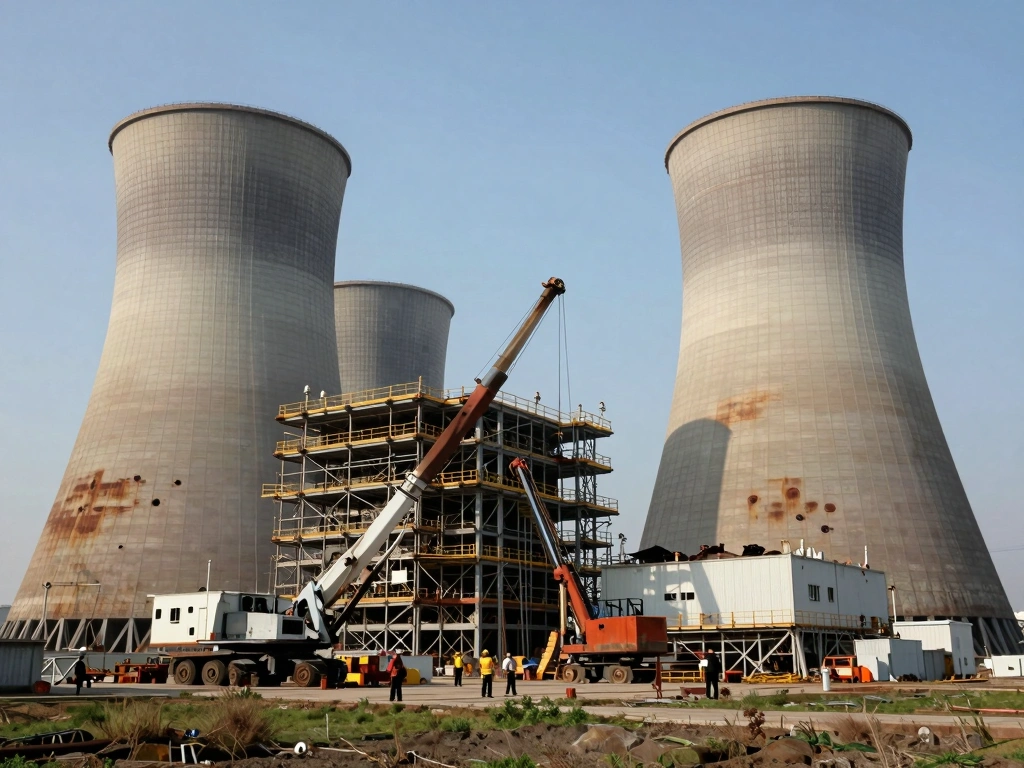
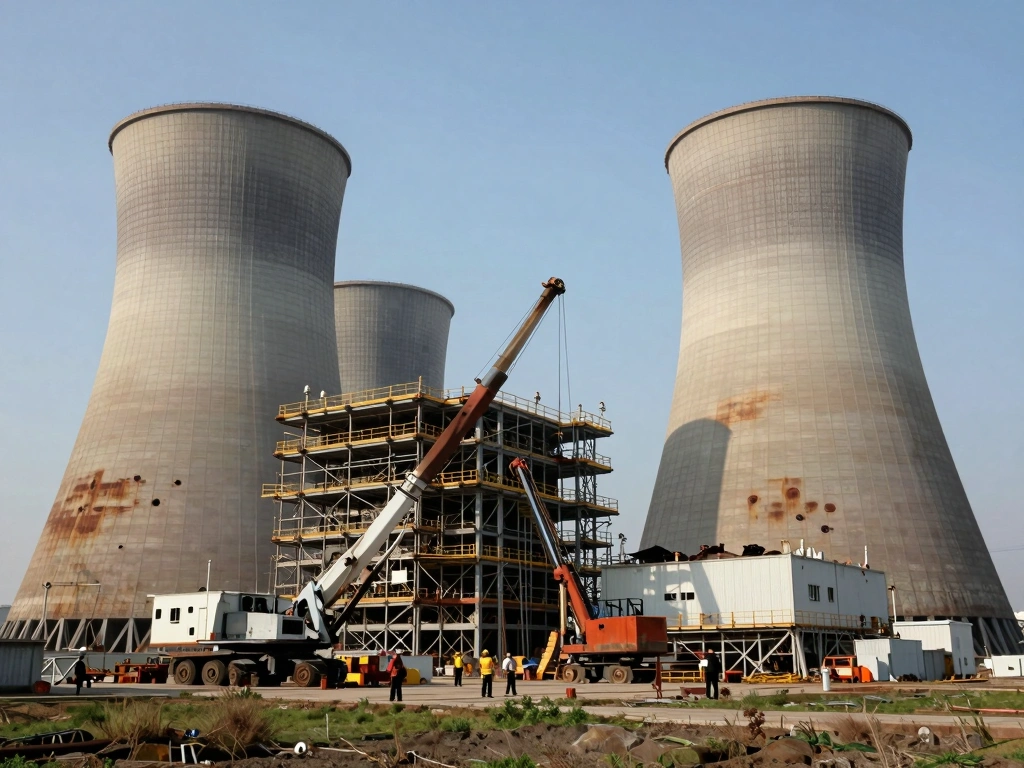
Dismantling the physical infrastructure of a nuclear plant poses numerous technical challenges. The decommissioning process involves not only the removal of reactors and associated systems but also the decontamination of all surfaces and materials. High radiation levels can complicate dismantling efforts, requiring specialized tools and procedures that can prolong the timeline.
For example, the dismantling of the Trojan Nuclear Plant in Oregon took over a decade, partially due to the need for detailed radiological surveys and the careful removal of contaminated components. Additionally, certain materials may require extensive monitoring for radioactive contamination, necessitating additional safety measures that can extend the overall decommissioning schedule.
Financial Considerations and Budgeting Issues
Cost Estimates for Decommissioning Projects
The financial implications of decommissioning nuclear plants are substantial. Decommissioning costs can vary widely depending on the size and type of the facility, the regulatory environment, and the methods employed. For instance, estimates for decommissioning the San Onofre Nuclear Generating Station exceeded $4.4 billion, highlighting the financial burden associated with such projects.
Cost estimates must include not only the immediate expenses associated with dismantling and waste management but also long-term monitoring and maintenance of waste storage facilities. The complexity of these financial projections can lead to significant discrepancies between initial estimates and actual costs.
Funding Mechanisms and Financial Assurance
To ensure that funds are available for decommissioning, nuclear plant operators are required to establish decommissioning trust funds. These funds are typically built up over the operational life of the plant through contributions from power sales. However, fluctuations in energy markets can impact the total amount available for decommissioning.
Moreover, the financial assurance requirements set by regulatory bodies can vary, leading to uncertainty about the funding needed for decommissioning. The Vermont Yankee Nuclear Power Plant, for instance, faced funding challenges due to changes in regulatory requirements and market conditions, which delayed its decommissioning process.
Unexpected Costs and Budget Overruns
Unexpected costs and budget overruns are common in nuclear decommissioning projects. These can arise from unforeseen technical challenges, regulatory changes, or the discovery of additional radioactive materials during the dismantling process. For example, the decommissioning of the Hanford Site in Washington state has faced significant budget overruns due to the complexity of the cleanup operation, with costs ballooning to over $100 billion.
Such financial unpredictability can lead to project delays as operators seek additional funding or adjust their plans to accommodate new financial realities. This situation underscores the importance of robust financial planning and risk management in the decommissioning process.
Technological Limitations and Innovations
Current Technologies Used in Decommissioning
The decommissioning of nuclear plants employs various technologies to ensure safety and efficiency. Robotic systems and remote-controlled tools are increasingly used to handle radioactive materials, reducing the risk to human workers. For instance, the use of remotely operated vehicles (ROVs) has been instrumental in assessing and dismantling underwater components in cooling systems.
Additionally, advanced imaging technologies, such as gamma cameras, are utilized to identify and quantify radioactive contamination, aiding in the decontamination process. Despite these advancements, many of the technologies used in decommissioning remain labor-intensive and costly, contributing to prolonged timelines.
Limitations of Existing Decommissioning Methods
While current technologies have improved the decommissioning process, limitations still exist. Many existing methods are not fully automated, requiring manual intervention, which can be time-consuming and risky. Furthermore, the decontamination processes often involve extensive labor, which can lead to delays as workers must navigate the complexities of radiation safety protocols.
For example, the decontamination of the decommissioned British Energy's Sizewell A Nuclear Power Station took over a decade, largely due to the labor-intensive nature of the work required to ensure all radioactive materials were safely removed and managed.
Future Innovations and Their Potential Impact
Looking ahead, innovations in decommissioning technology could significantly impact timelines. Developments in artificial intelligence and machine learning may improve the efficiency of decommissioning processes by optimizing planning and resource allocation. Additionally, advancements in robotics could reduce the time required for dismantling hazardous components, allowing for faster and safer operations.
Emerging technologies, such as advanced radiation detection systems and remote decommissioning technologies, are also being explored. If successfully implemented, these innovations could streamline decommissioning processes, potentially reducing the timeframes from decades to more manageable periods. However, the adoption of new technologies often requires regulatory approval, which can also extend timelines.
Public Perception and Community Engagement
Role of Public Opinion in Decommissioning Plans
Public perception plays a significant role in the decommissioning of nuclear plants. Communities often express concerns about safety, environmental impact, and the long-term management of radioactive waste. This public scrutiny can lead to increased regulatory requirements and extended timelines as operators seek to address public concerns and build community trust.
For instance, the decommissioning of the Indian Point Energy Center in New York faced considerable public resistance, resulting in numerous public hearings and debates that prolonged the timeline for obtaining necessary approvals. Engaging with communities early in the process is critical to addressing concerns and minimizing delays.
Community Involvement and Stakeholder Engagement
Effective community involvement and stakeholder engagement are essential for the successful decommissioning of nuclear plants. Operators are increasingly adopting transparent communication strategies, holding public meetings, and providing regular updates to ensure that stakeholders are informed and engaged in the process.
Involving local communities in decision-making can foster a sense of ownership and collaboration, potentially leading to smoother decommissioning efforts. However, achieving meaningful engagement can be challenging, particularly when public opinion is polarized or influenced by misinformation about nuclear safety.
Addressing Safety Concerns and Misinformation
Addressing safety concerns and misinformation is critical in the decommissioning process. Nuclear decommissioning often faces skepticism from the public, driven by fears of radiation exposure and environmental contamination. Operators must prioritize effective communication strategies that provide accurate information about safety measures, waste management, and environmental protections.
For instance, the decommissioning of the Three Mile Island plant faced public backlash partly due to misinformation regarding radiation risks. Operators implemented outreach programs to clarify misconceptions, which ultimately helped to foster a more informed public dialogue about the decommissioning process.